Effective Ways to Reduce Food Waste at Home
Reducing food waste at home is not only good for the environment, but it can also save you money and improve your kitchen habits. Every year, millions of tons of edible food are thrown away, contributing to unnecessary landfill waste and lost resources. The good news is that small changes in how we shop, store, and use food can make a big difference. In this post, we’ll explore practical and easy ways you can reduce food waste right in your own kitchen.
Why Reducing Food Waste Matters
Before diving into tips, it’s helpful to understand why reducing food waste is important. Food that ends up in the trash wastes all the energy, water, and labor that went into producing it. Additionally, when food decomposes in landfills, it releases methane, a greenhouse gas that contributes to climate change.
Cutting food waste means:
– Saving money on groceries
– Lessening environmental impact
– Encouraging mindful consumption
With these benefits in mind, let’s look at actionable steps you can take.
Smart Shopping Habits
Plan Your Meals
One of the biggest reasons food gets wasted is buying more than you need. Planning meals for the week helps you buy only what you’ll use.
– Write a shopping list based on your meal plan.
– Check your refrigerator and pantry before shopping to avoid duplicates.
– Consider portion sizes to prevent leftovers that often spoil.
Shop with a List and Stick to It
Impulse buying can lead to excess food. Sticking to a list reduces unnecessary purchases and keeps you focused.
Avoid Bulk Buys Unless Needed
Bulk buying can be economical but only if you will use all the food before it expires. Otherwise, it may result in more waste.
Proper Food Storage
Use Clear Containers
Storing leftovers and fresh foods in transparent containers makes it easier to see what you have and encourages using up ingredients.
Store Food Correctly
Different foods require different storage conditions:
– Keep herbs fresh longer by treating them like flowers in a jar of water.
– Store fruits and vegetables separately to prevent early spoilage.
– Use your freezer wisely to extend the life of bread, meat, and cooked meals.
Label and Date Leftovers
Labeling containers with the date helps track how long food has been stored and prompts timely use.
Use Your Leftovers Creatively
Repurpose Leftovers
Instead of tossing leftovers, reuse them in new meals:
– Turn roasted vegetables into soups.
– Use stale bread for croutons or breadcrumbs.
– Incorporate leftover rice into stir-fries or salads.
Batch Cook and Freeze
Cooking larger portions and freezing individual servings can reduce waste and make meal prep quicker in the future.
Pay Attention to Food Expiry Dates
Understand Date Labels
Labels like “Best Before” and “Use By” can be confusing. “Best Before” often refers to quality, not safety, so food may still be edible after that date.
Use Your Senses
Visual inspection, smell, and taste are good indicators to decide if food is still safe to eat.
Compost Food Scraps
Even with best efforts, some food scraps are unavoidable. Composting is an eco-friendly way to handle these scraps instead of sending them to landfill.
– Set up a compost bin or use a local composting service.
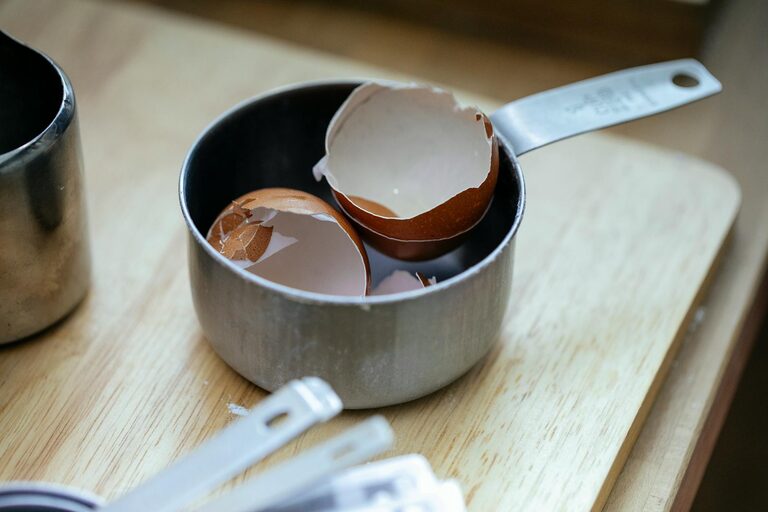
– Compost fruit peels, coffee grounds, eggshells, and vegetable scraps.
Involve the Whole Family
Encouraging everyone at home to be conscious of food waste makes a big difference.
– Teach kids about portion control and food appreciation.
– Share leftovers instead of throwing them away.
– Make it a fun challenge to reduce waste each week.
Track Your Progress
Keep a simple log or note on your phone about how much food you waste each week. Tracking helps increase awareness and motivates you to improve.
—
Reducing food waste at home is easier than it sounds. By planning your meals, shopping smart, storing foods properly, reusing leftovers, and composting scraps, you can make a positive impact daily. The environment, your wallet, and your household will thank you!
Try incorporating these tips one at a time until they become natural habits. Every bit of saved food matters!